A Proven Leader in Social and Economic Justice
Kyle Bibby is a nationally recognized campaign strategist, veteran advocate, and anti-war storyteller with over 15 years of experience shaping policy at the highest levels of government and civil society. He is the Co-Founder and Co-CEO of the Black Veterans Project, where he leads efforts to address systemic inequities in veterans’ benefits, protect the legacy of Black military service, and advance the case for reparations.
Previously serving as Chief of Campaigns and Programs at Color of Change, Kyle led a 20-person team promoting government and corporate accountability via racial and economic justice campaigns. His leadership has driven major initiatives, including the corporate reparations campaigns in Pennsylvania, the “Defend Black History” campaign in Florida and Texas, and police accountability campaigns aimed at reforming law enforcement unions and the broader justice system.
Previously, Kyle served as Lead Organizer and National Campaigns Manager at Common Defense, the nation’s largest grassroots organization of progressive veterans. There, he was a principal architect of the "End the Forever War" campaign, which became part of the Democratic Party platform and helped catalyze the Biden administration’s decision to withdraw troops from Afghanistan. He also spearheaded the “No War on Our Streets” campaign to demilitarize police departments by ending the 1033 program.
As a Director of the New Jersey Reentry Corporation, Kyle launched and led the New Brunswick site, providing comprehensive legal, employment, and social services for returning citizens. His leadership forged new partnerships with local government and healthcare providers to expand restorative justice practices.
In public service, Kyle was selected as a Presidential Management Fellow under the Obama administration. At the White House Office of Management and Budget, he collaborated on executive actions related to gun safety. He helped shape the administration’s stance on law enforcement policy through reviews of Statements of Administrative Policy. He later served as a Congressional Liaison at the U.S. Agency for Global Media, where he revived the Congressional Caucus for Freedom of the Press and advanced legislative efforts to strengthen international media freedom.
A former Captain in the United States Marine Corps, Kyle served as an infantry officer in Afghanistan and was awarded the Navy and Marine Corps Commendation Medal for leadership and operational logistics, as well as the Navy and Marine Corps Achievement Medal for international community engagement in Japan. His military service deeply informs his anti-war stance and narrative storytelling.
Kyle holds a Master of Public Administration from Columbia University’s School of International and Public Affairs, and a Bachelor of Science in Political Science from the United States Naval Academy. He is also a Truman National Security Project Political Partner, a graduate of multiple national organizing institutes, and an emerging voice in public writing and speculative fiction centered on war, race, and liberation.
He lives and writes in Brooklyn.
Opinion & Interviews
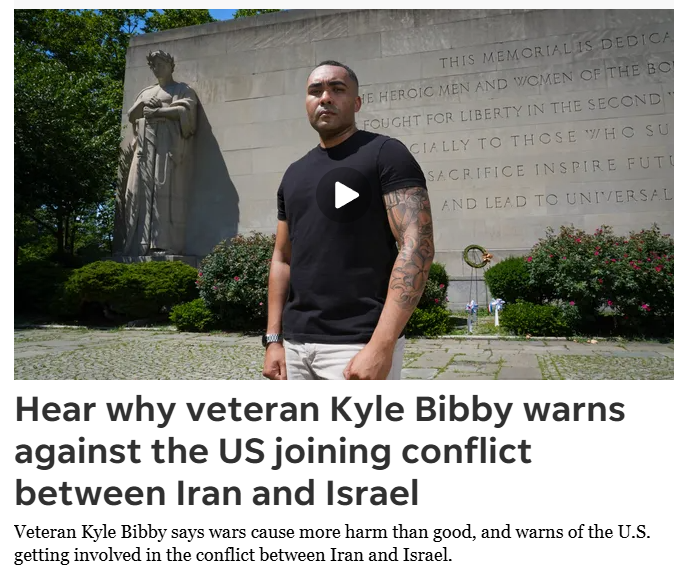
“They're using the same playbook, and it's very frustrating as someone who served.”
“It’s a real bitter pill to swallow to just watch us walk into another aimless, strategically undefined war.”
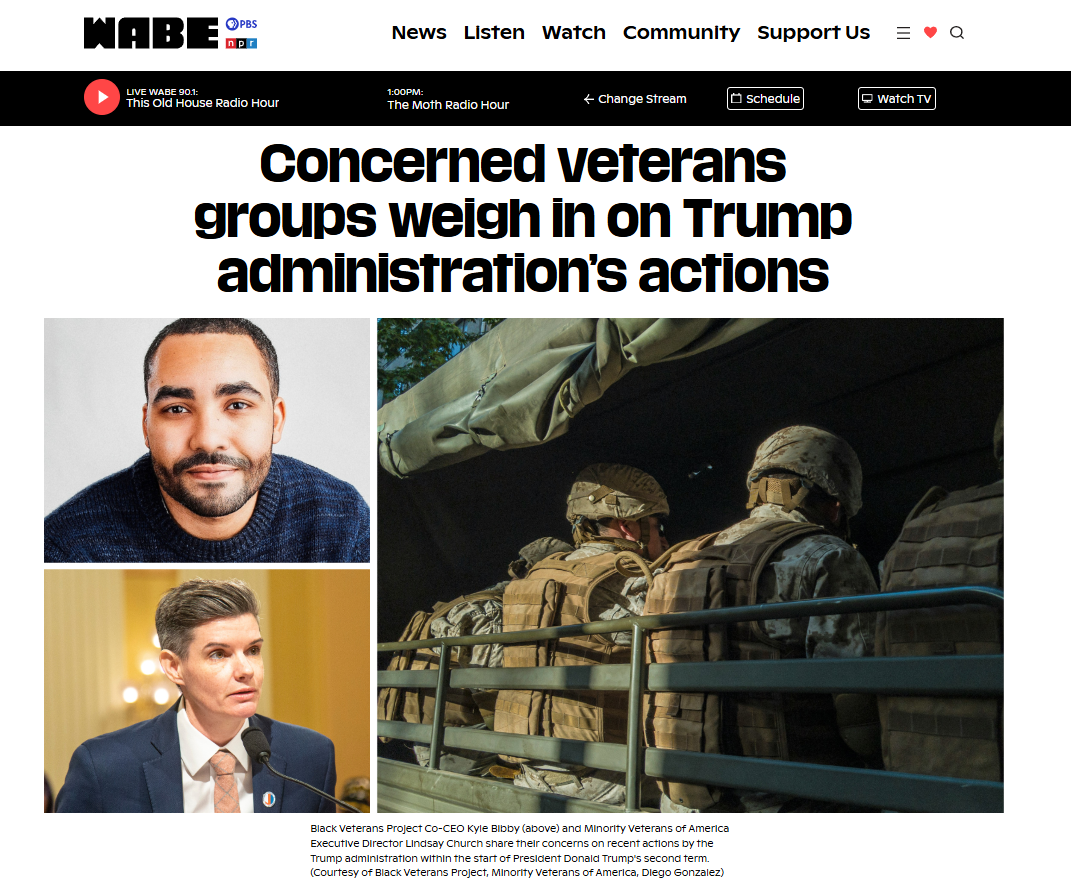
Black Veterans Project Co-CEO Kyle Bibby shares his concerns on recent actions by the Trump administration.
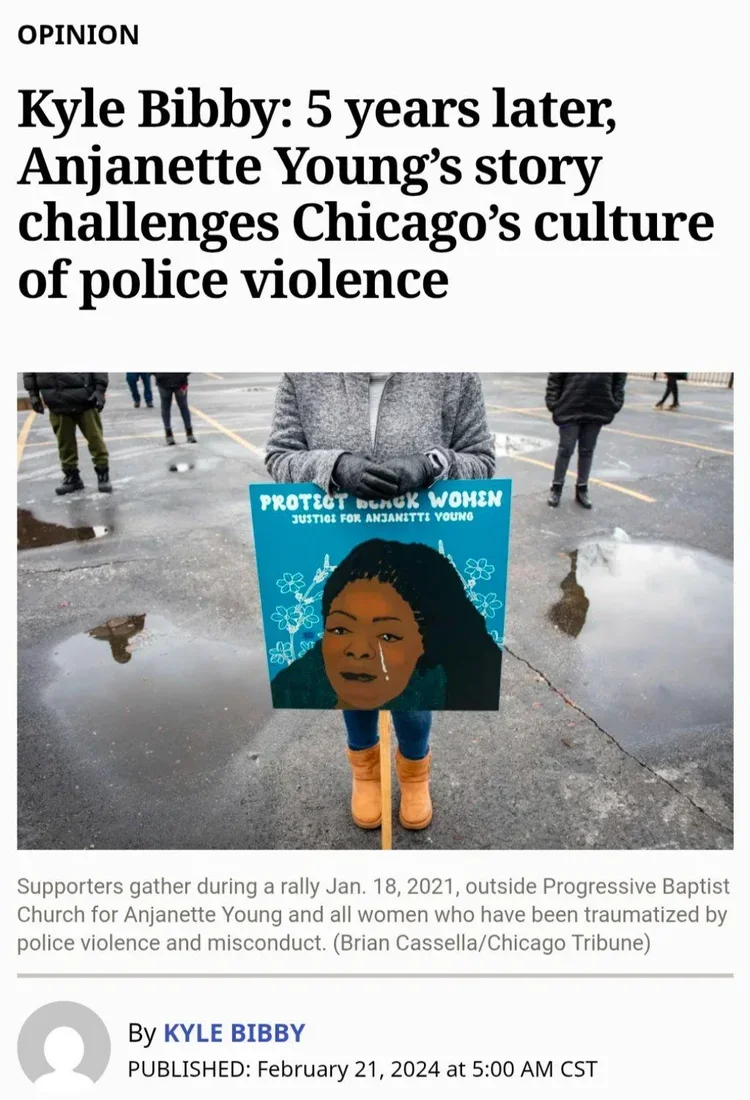
Last year, Cook County released its “Do Not Call List” containing almost 200 discredited police officers ..."
This is a real and tangible way for the American people to make sure their voices are heard ...
As an officer, I was taught that a commander must exhibit unyielding physical, mental and moral fitness.
Every single day that we continue these wars is a day that American service members are asked to recommit to a cycle of trauma.
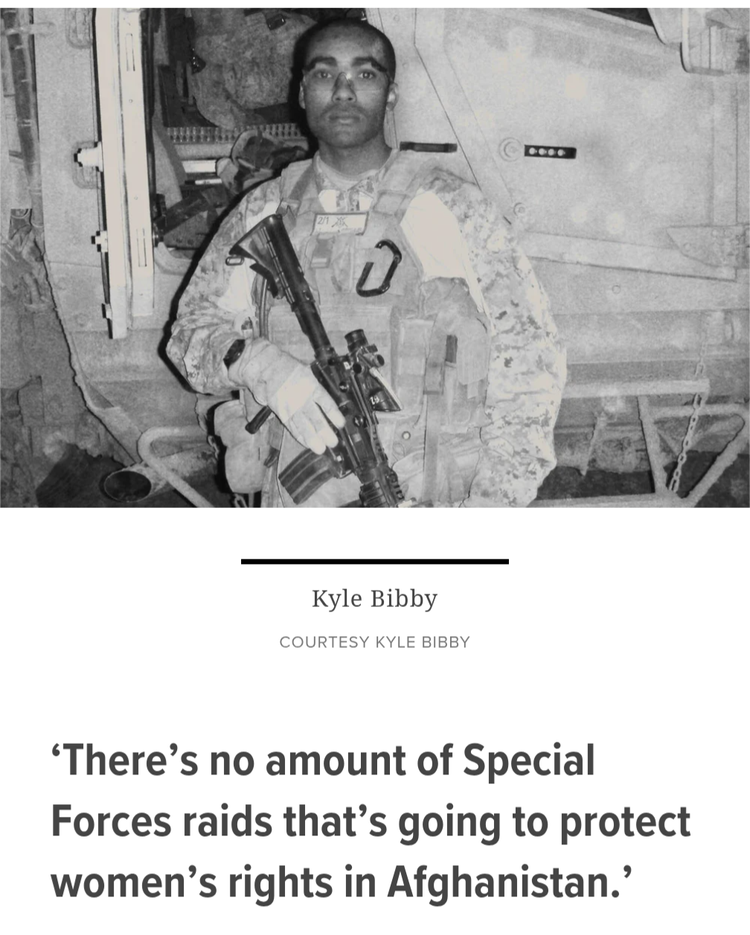
There’s no amount of Special Forces raids that’s going to protect women’s rights in Afghanistan.
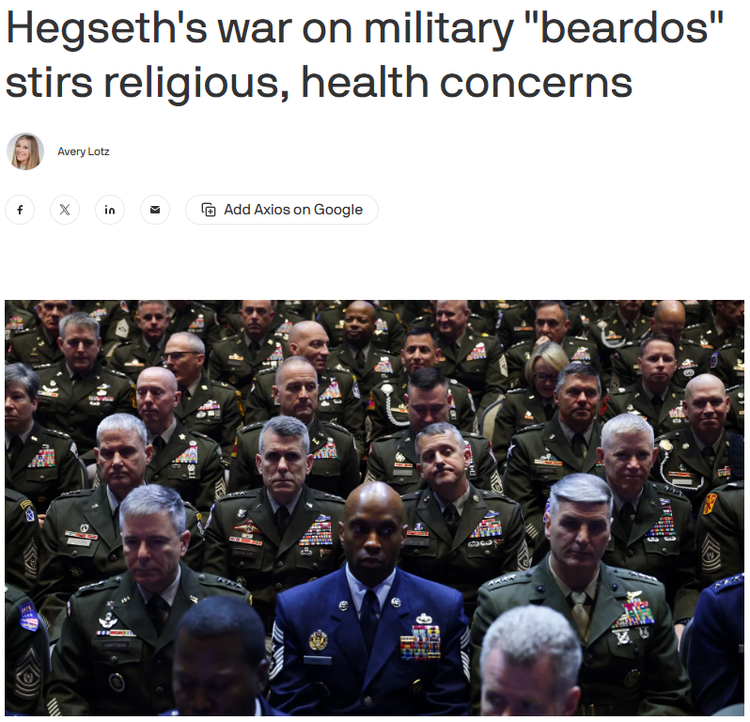
Bibby said he can't look at the changes in a vacuum, pointing to moves the Pentagon made in its anti-DEI crusade, including the removal of civil rights pioneers from federal websites and the push to oust transgender service members. He trusts the leadership and culture of the military to handle Washington-driven changes as judiciously as possible.
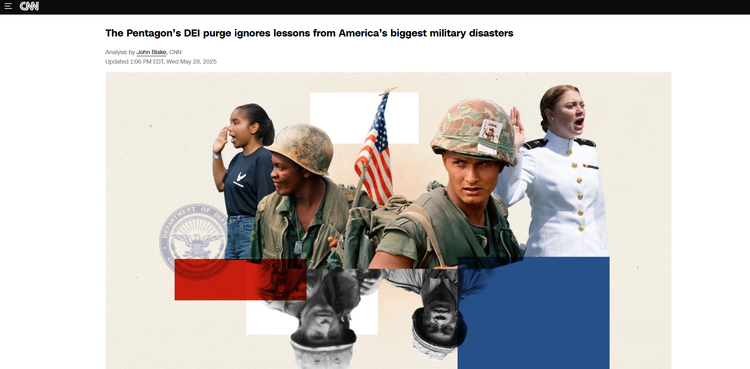
“They’re trying to make a very clear statement to the military that this is a White man’s military and the rest of you will fall in line,” says Bibby, co-founder of the Black Veterans Project, a group that preserves the legacy of Black veterans and secures restitution for Black soldiers denied benefits.
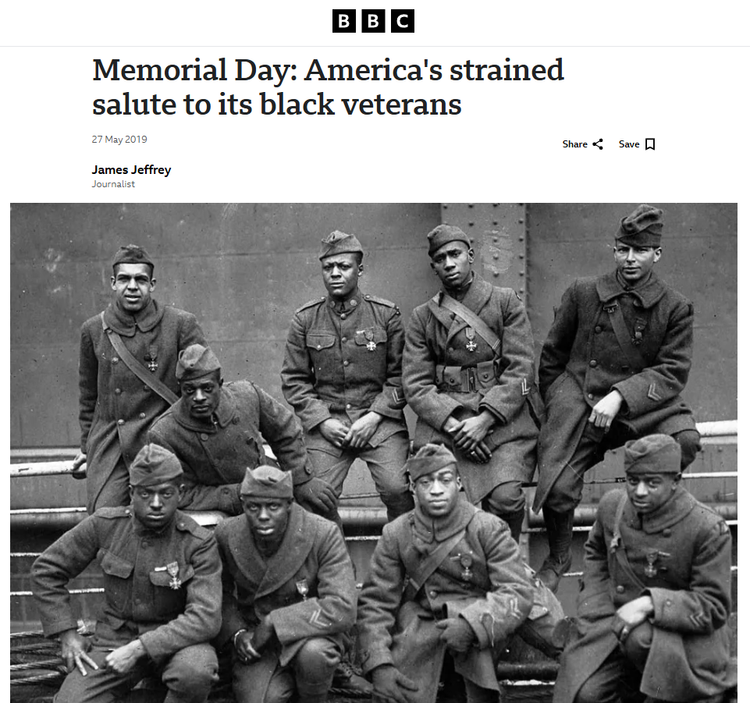
"There's been a historical consistency in black veterans being treated badly ever since the Red Summer," says Bibby, noting the period following WWI when many African Americans returned home from the war with a new confidence and assertiveness, which often didn't go now well with many whites.
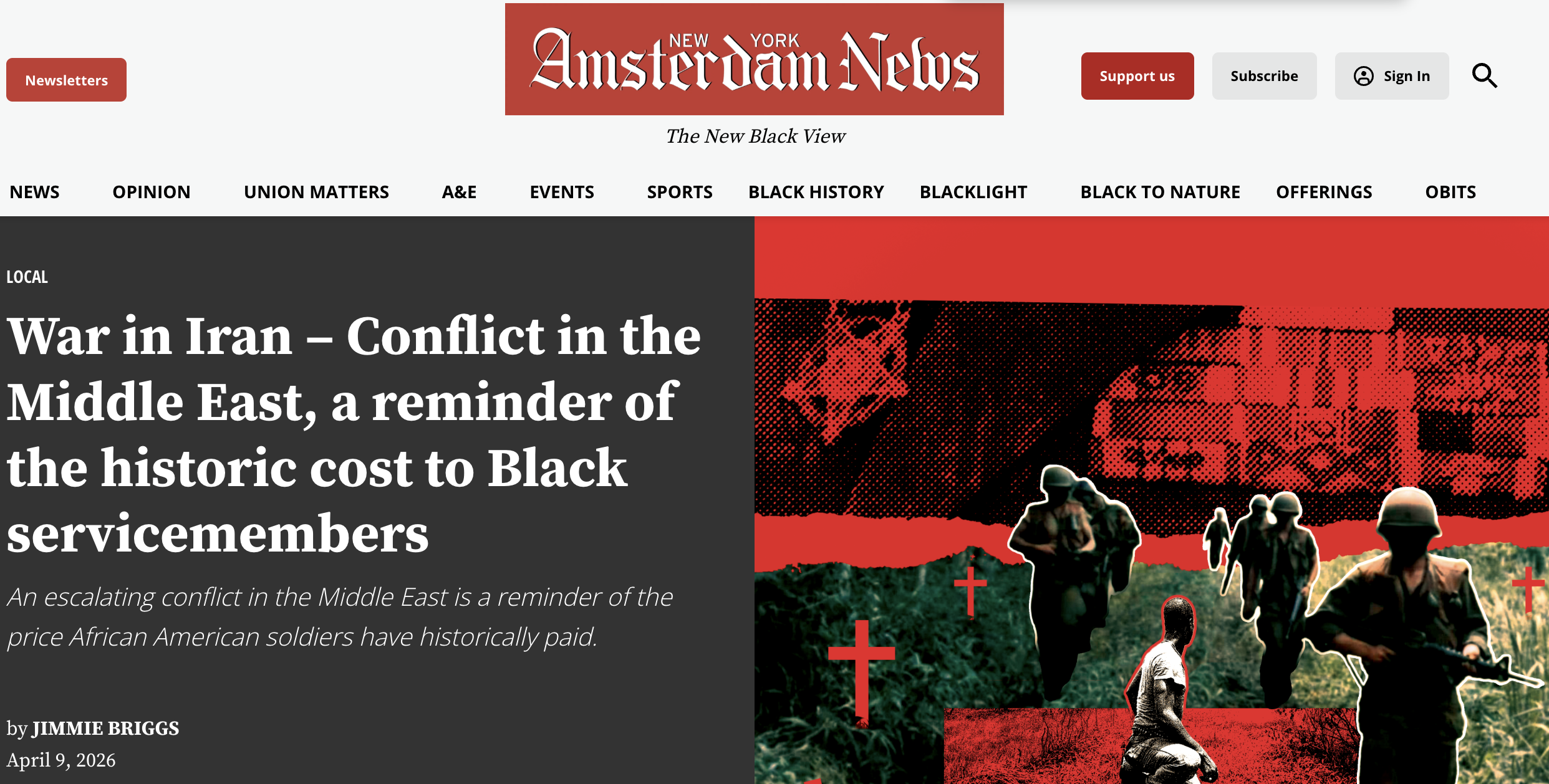
“I think World War II lives so large in American mythology because it was a time where we could clearly see that we were ‘good guys,’” noted Bibby. “I think the entire political identity of the United States grows outward from that point. But even in that instance, Black service members still faced horrible segregation in the military and outright racial terrorism when they came home."
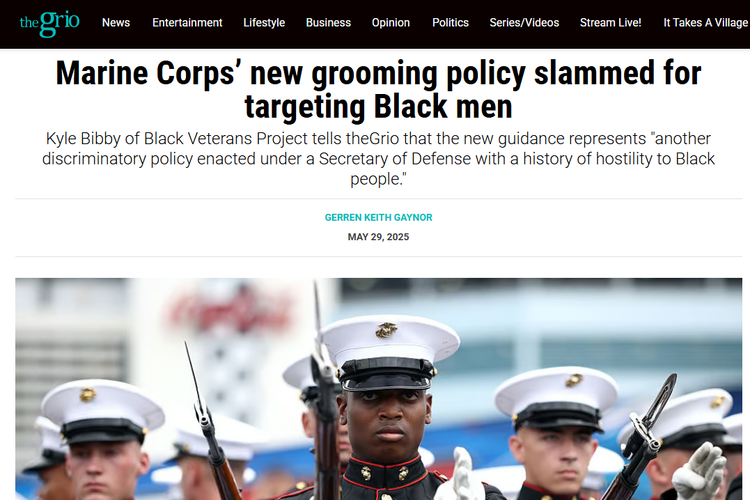
“These medical waivers have existed for decades without compromising mission effectiveness and the military routinely relaxes grooming standards for operational needs,” Bibby added. “Threatening administrative separation for Marines needing longer-term medical waivers reveals the true intent: forcing Black Marines out of service for conditions beyond their control.”
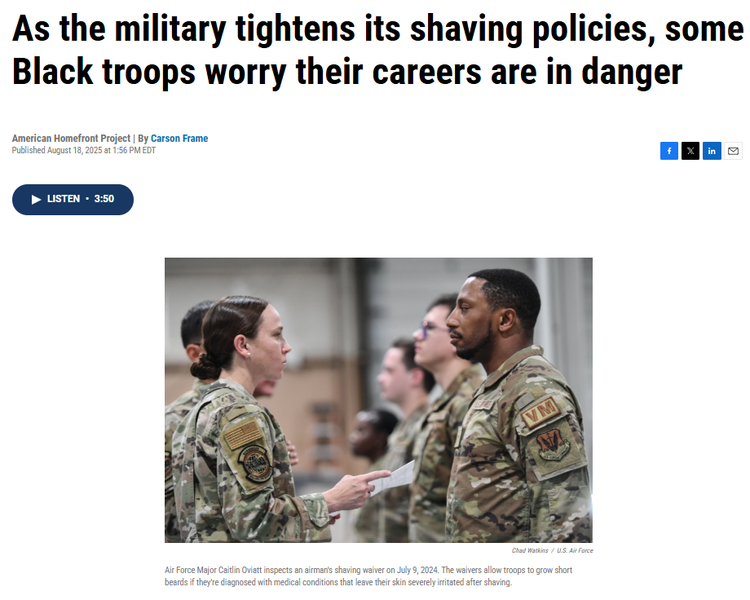
Bibby, now the co-CEO of the Black Veterans Project, sees the changes as part of a broader political message. Studies suggest more than 45 percent of Black men in the military have PFB. "I think it’s more about the politics of the Trump Administration and their feelings about what the military should look like -- not in terms of beards, but racially and ethnically -- than it is about combat readiness," he said.
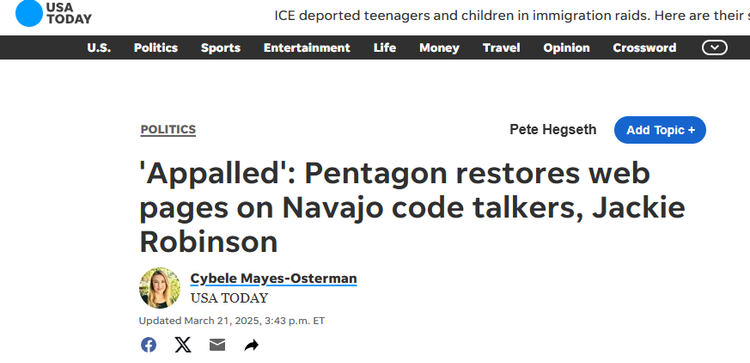
"We should take Pete Hegseth and the rest of the Trump administration at their word that, when they constantly refer back to the past as a time that they want to bring back, that also means that they are interested in bringing back a segregationist structure to our institutions. They're signaling that this is not a welcome place for Black people," Bibby said.

“For this initiative to reach communities that feel the most impact of police violence, this database needs to include local and state police departments,” Kyle Bibby, chief of campaigns and programs, said in a statement. “As we call for local and state jurisdictions to adopt this federal framework, one of the most consistent opposition forces will continue to be local police unions.”

“There’s executive orders that actually do things, and then there’s executive orders that are made to send a message, and that message was very clear. Their intent is to try and resegregate as much of this society as possible that they think they can get away with. If they can’t do it through legal means, they’re going to try and do it by making Black people feel that we are unwelcome or unsafe in these spaces,” Bibby, co-CEO and co-founder of the Black Veterans Project, told The Hill.
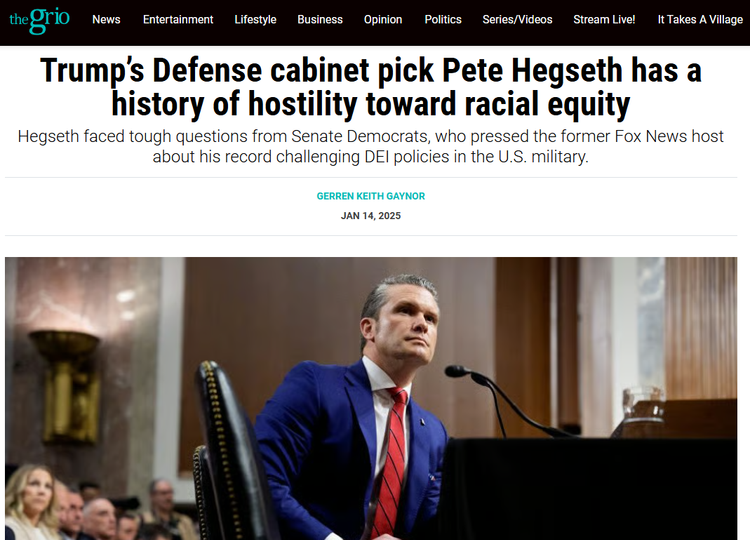
“Choosing who will lead the Department of Defense is one of the most critical appointments a President will make. All Americans agree that candidates must possess the necessary competencies from day one, as there is no time for an on-the-job orientation to the Pentagon,” Kyle Bibby, co-founder Black Veterans Project, told theGrio.
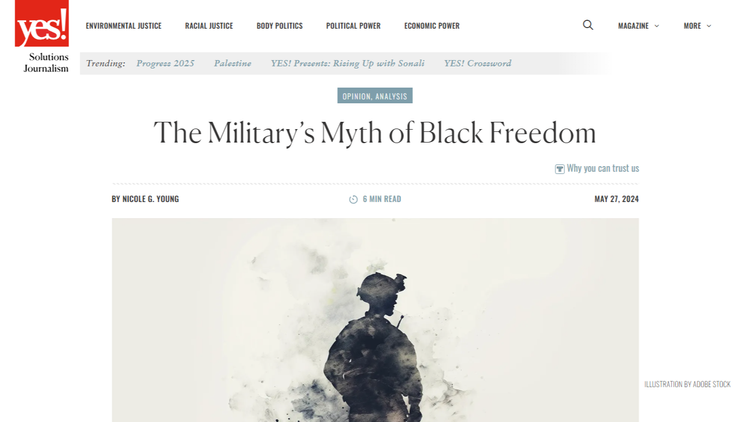
Bibby thought he “found control through joining the military.” But, “You learn very quickly, you are not in control in the military.” Bibby learned firsthand upon enrolling at the Naval Academy that talk of meritocracy and rhetoric about earning your place through honorable service had its limits—especially for Black people.
According to two Color of Change representatives who were present, a staffer from OpenSea then asked if it would be appropriate for the Holocaust Museum to take down Nazi paraphernalia it displayed. “It was an incredibly inartful and inaccurate analogy,” Bibby told me, his voice betraying that he remained astounded by an interaction that had taken place months earlier. “The Holocaust Museum wouldn’t want to be a home of hate content. It’s carefully curated to explain the harms of Nazism.”
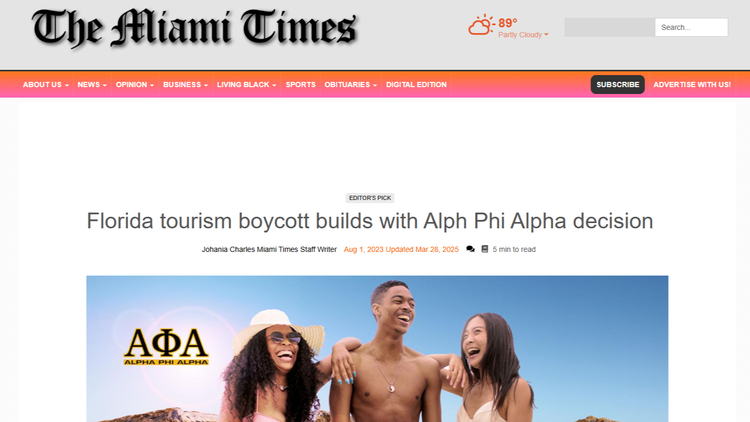
“There’s a lot of places where you can have your conferences and probably feel safer,” Bibby said. “Boycotts and strikes are examples of people standing up and uniting together and demanding the people in power to do something better for the community. I’d be willing to bet most families in Florida understand the sort of hostility that we’re seeing, and they would support standing up to DeSantis on this … They should use the avenues available to them and organize in their communities to get it changed.”
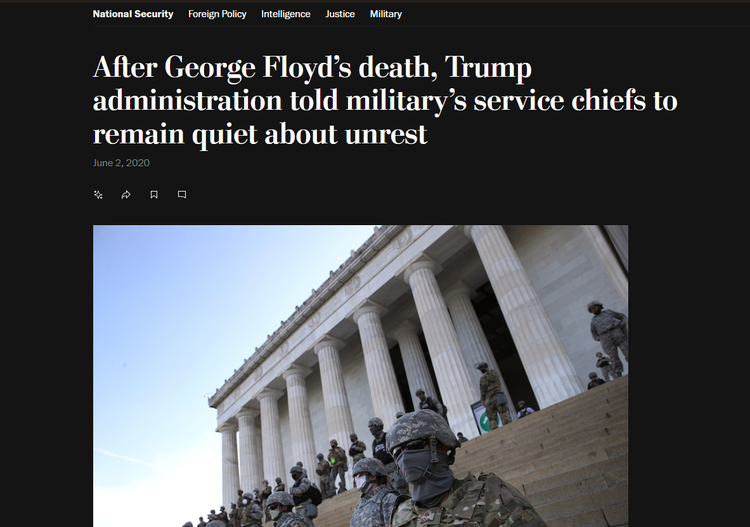
Kyle Bibby, a former Marine captain, said he has been disappointed by the silence of senior military officials after Floyd’s death, especially in light of reports of white nationalism in the military. “Condemning racism and police brutality is not really a partisan issue, right?” said Bibby, who is black and now works on social-justice issues for Common Defense, a progressive veterans group.
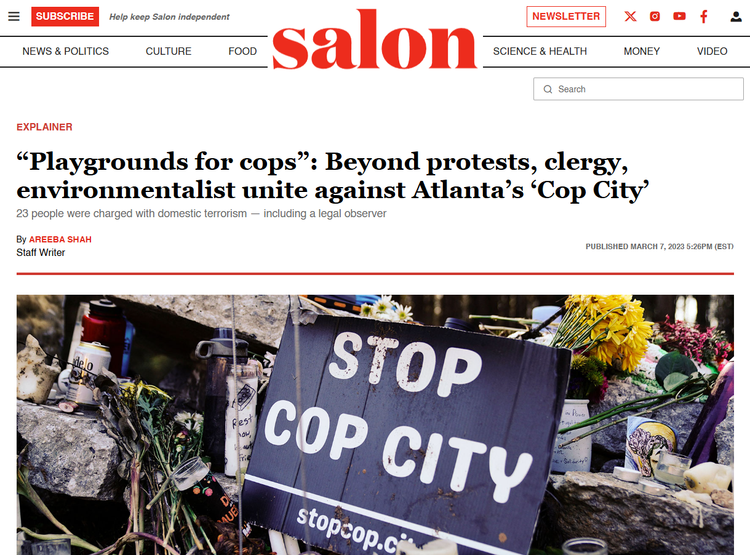
"We have a problem in the United States with how deeply unimaginative our leaders are in addressing crime," said Kyle Bibby, the senior campaign director at Color Of Change, a civil rights organization. "All we do is just increasingly militarize our police. We increase funding to the police, but that doesn't actually address real systemic issues that lead to crime.”

“In 20 years of war, there’s no shortage of people, I think, that can share the blame. I will say that where I personally stand as someone who served in the war, I feel angry at President George Bush,” said Kyle Bibby, a Marine Corps veteran and national campaigns manager for Common Defense.”
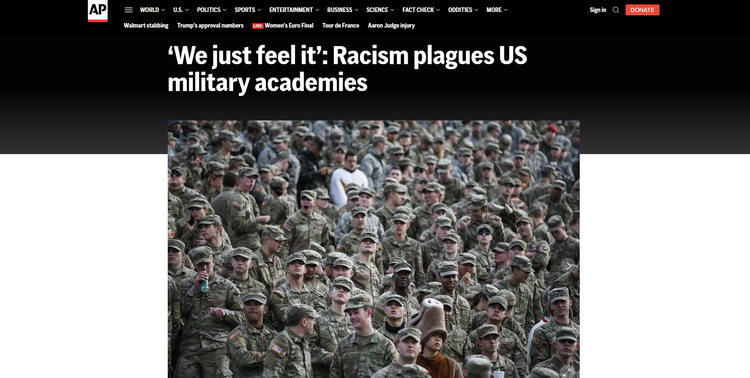
“We view white supremacy as like, you know, somebody’s got the cross in the truck and they’re rolling to your crib to go burn it,” said Bibby, who co-founded the Black Veterans Project, which advocates for racial justice in the armed services. But the cuts are much more subtle, he said.
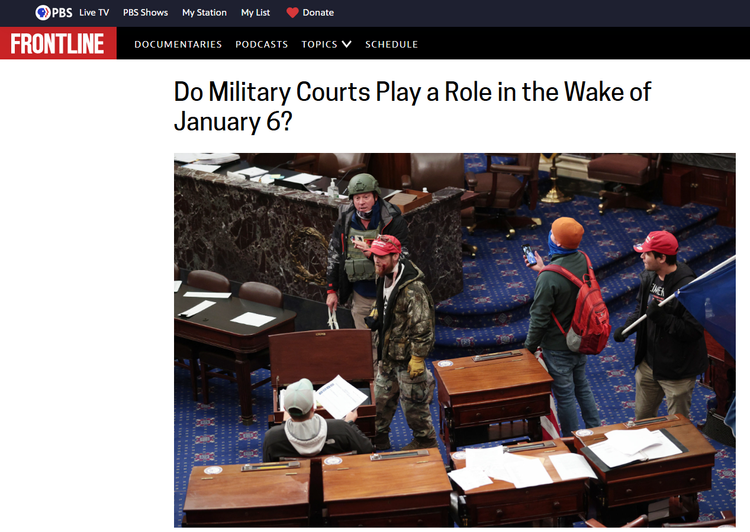
Kyle Bibby, a former Marine Corps infantry captain and now national campaigns manager at Common Defense, a veteran-led political activism organization, told FRONTLINE: “The military needs to be just as aggressive going after this just as they would any other enemy of the United States.”
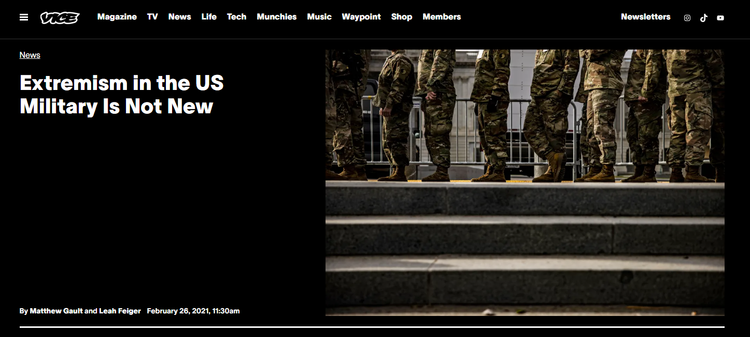
This lack of oversight, and a certain unwillingness to confront extremism, is why Bibby, other veterans, and military experts told VICE News they were unsurprised to see so many veterans present at the January 6 insurrection at the Capitol. “The question for us was how many,” said Bibby, of watching the insurrection and wondering about the veterans involved in the attack.
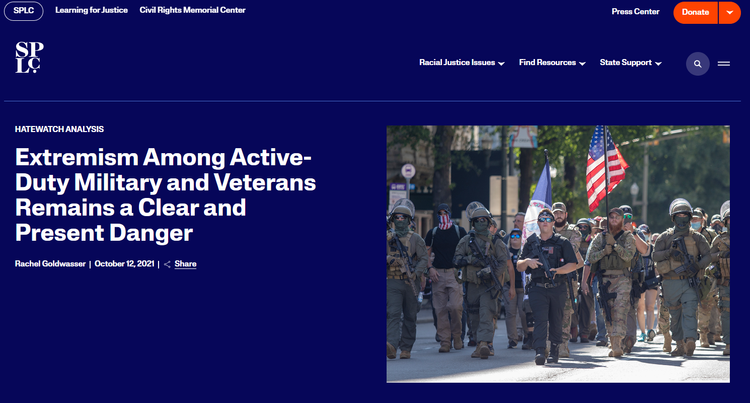
Extremism in the military is “definitely present,” Bibby states. “I’ve had conversations with enlisted guys about it, particularly since I’ve gotten out.” Sometimes, the problem can be severe, putting service members in an unsafe environment.
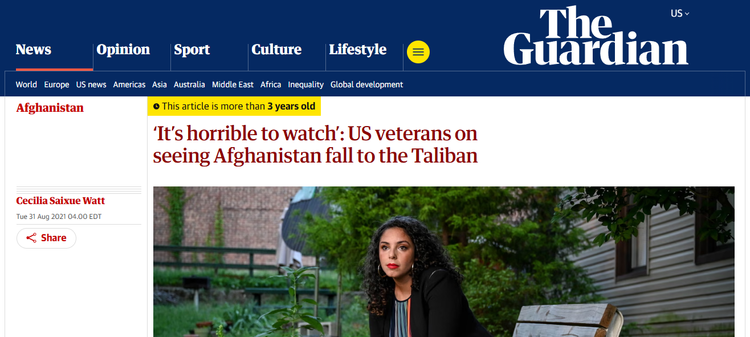
“I had this kind of dread that the Taliban were just going to wait us out,” said Bibby. “And all these families, all these kids, they’re just going to go back to being under the rule of the Taliban. And we will have just been a blip for them.”
When Kyle Bibby reported to the Naval Academy, he had never fired a gun. But he learned to shoot a pistol. Then a rifle. He learned safety measures and effective training. Eventually, he taught pistol to other midshipmen. When he graduated and was commissioned as an infantry officer in the Marine Corps, he says, “Pistols, rifles, machine guns, rockets—that was my life.”
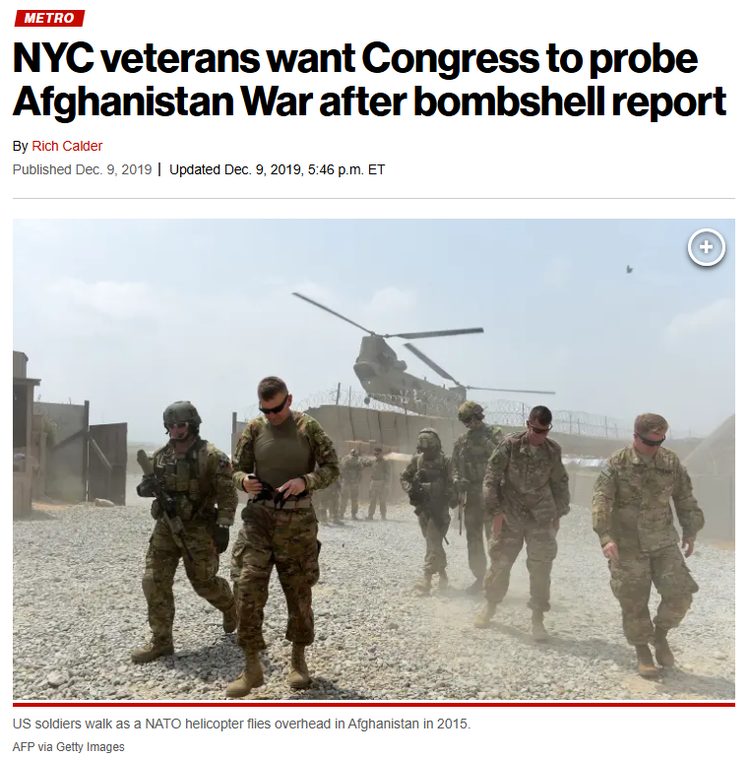
“Our culture of never questioning the military has kind of led us here, so I can’t really say I am surprised that people who are senior officers — whose careers depend on giving good news about the war — found a way to give good news about the war to progress their careers,” said Kyle Bibby, who once served as a captain in the Marines.
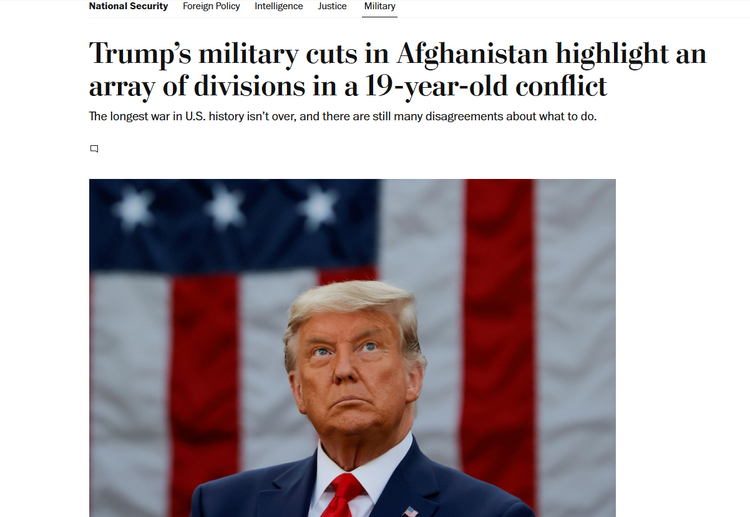
“This seems like political theater to me,” said Bibby, now the national campaigns manager for the liberal veterans group Common Defense. “He’s doing his homework the morning it is due — let me put it that way.”
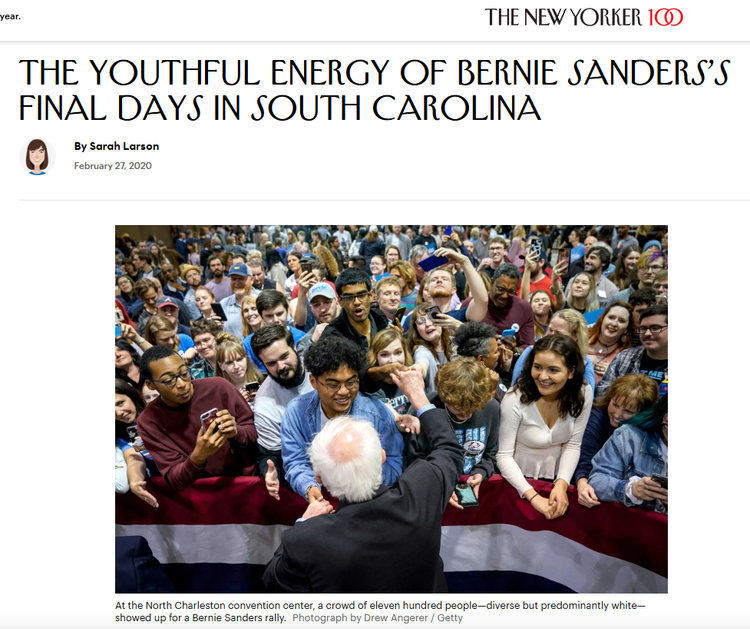
Kyle Bibby, a veteran and an organizer from the group Common Defense, said, “Veterans like us, we’re regular working-class people, just like most of you here today.” He cited “the audacity of ‘us’ ”: “We need a candidate with the audacity to slap the table and say, ‘I don’t care what you call radical, I don’t care what you call far-left—we need a solution to the problems that we have right now.”
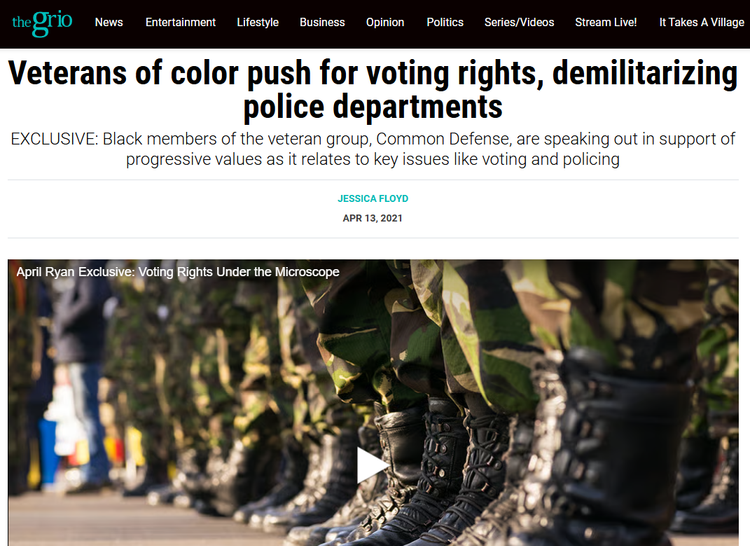
“This is cross-cultural training of skills and equipment has really led now to the police treating the population in a lot of ways as if the population is some sort of potential enemy force rather than their fellow community members,” Bibby said. “You can’t talk about this without also focusing on the fact that our policing is very racialized in this country.”
“Right after that, my first thought was, what the f--k are we still doing here?” says Bibby, now a lead organizer with Common Defense, a New York-based nonprofit with a mission is to draw veterans to progressive causes.
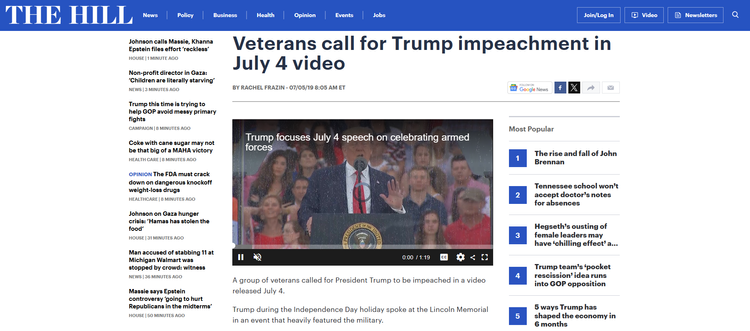
“I don’t see Donald Trump as someone who is serious about our values, who is serious about his job to serve the American people,” said Kyle Bibby, who served in the Marines.
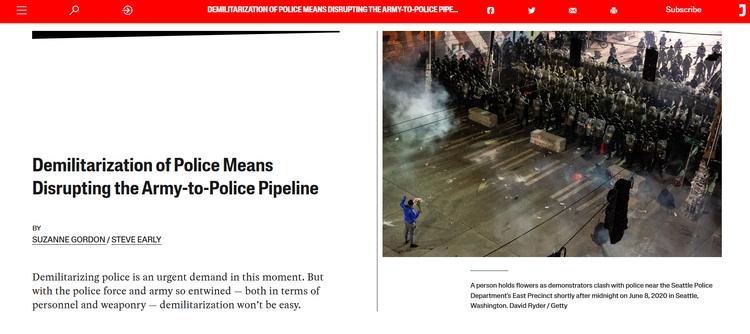
Among those involved is Kyle Bibby, a former Marine Corps infantry officer, Annapolis graduate, and co-founder of the Black Veterans Project. According to Bibby, who served in Afghanistan, veterans have unique credibility as critics of putting of $7 billion worth of military hardware in the hands of local police departments.
Having military personnel transport tanks from distant bases to Washington, D.C., over Fourth of July week is "insanely inappropriate," Marine Corps veteran Kyle Bibby told Newsweek on Wednesday, "And flies in the face of everything that I understood about training as Marines."
Common Defense lead organizer Kyle Bibby, a Marine Corps veteran, says in the video that the oath members take to join the military "establishes our ties to something that is greater than us," and, "I don't see Donald Trump as someone who is serious about our values, who is serious about his job to serve the American people."
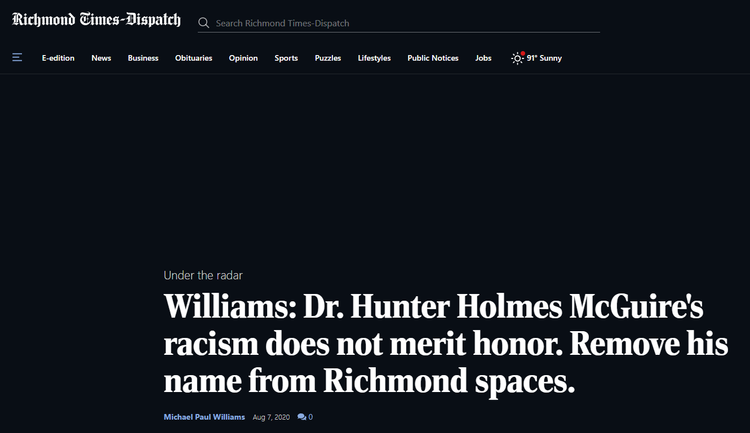
Kyle Bibby, a former Marine captain whose tours of duty include Afghanistan, does not think much of this choice. He almost exclusively goes to VA medical centers for his health care needs. As a Black man, “It is a slap in the face.”
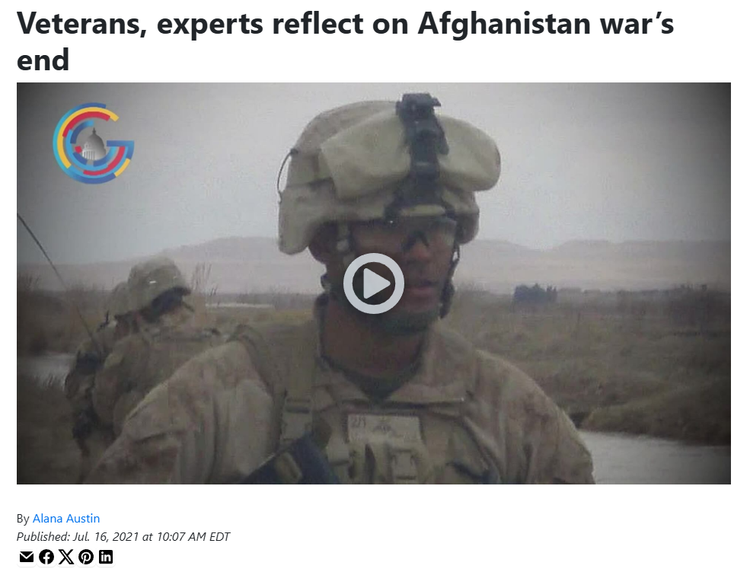
“Most of the veterans I know support ending the war. They do think that 20 years has been too long, that there isn’t necessarily a military solution in Afghanistan,” said Bibby.

A co-founder of the Black Veterans Project, Bibby condemned the “use of force by uniformed police and a culture of violence that seeks to dominate communities rather than serve and heal them.”
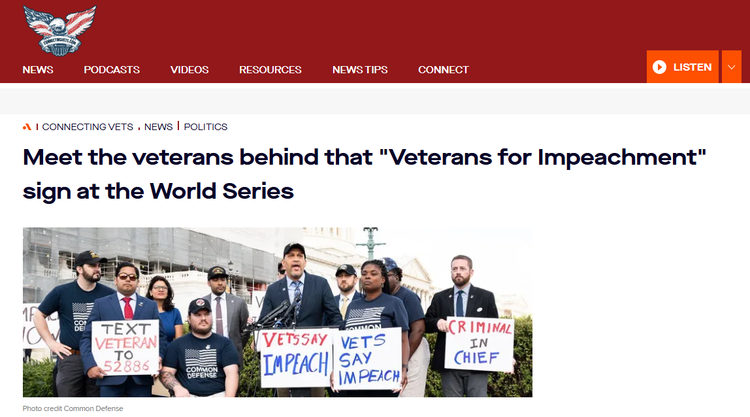
"We were able to acquire these tickets. We knew Donald Trump would be present and we wanted to send a very clear message to both him and the rest of the country," Bibby said.
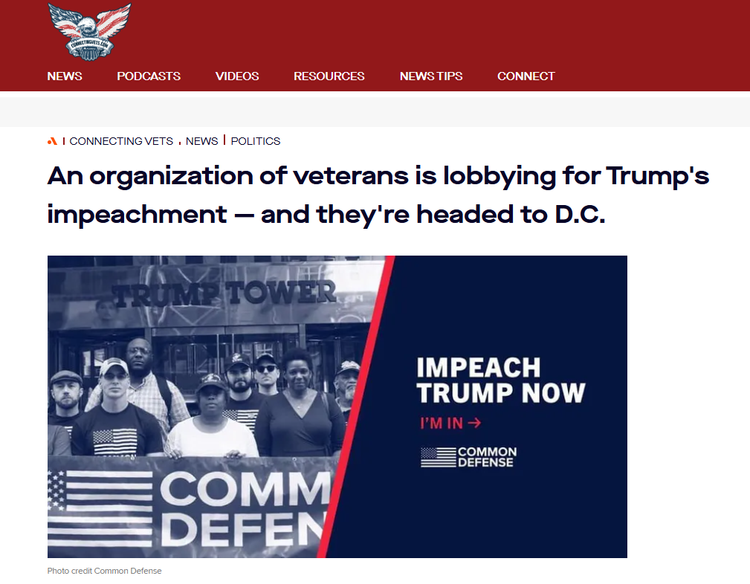
“It's about challenging hate and intolerance and taking the mission of defending the U.S. to our role as veterans — fighting missions of economic justice, social justice, racial justice, and environmental justice," said Marine Corps veteran and Common Defense lead Kyle Bibby.
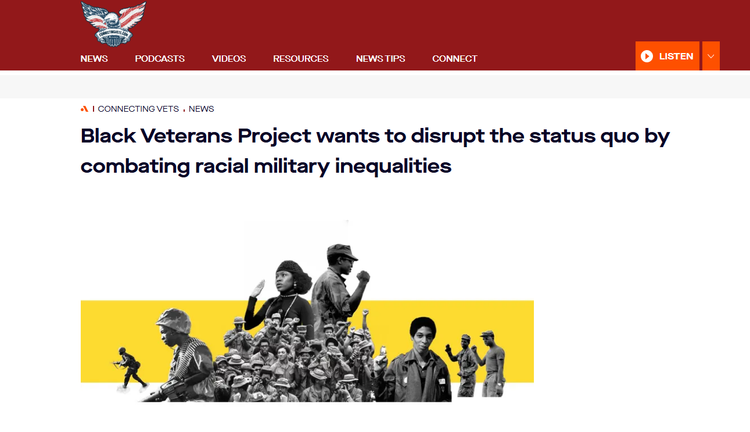
For Kyle Bibby, joining the military was an obvious choice. Born into a family in which many served in the military, Bibby attended the United States Naval Academy after high school. He was the first in his family to become an officer, a notable accomplishment for the grandson of a man who served in a segregated military.
Start a Conversation
Please get in touch with me for press and booking inquiries.